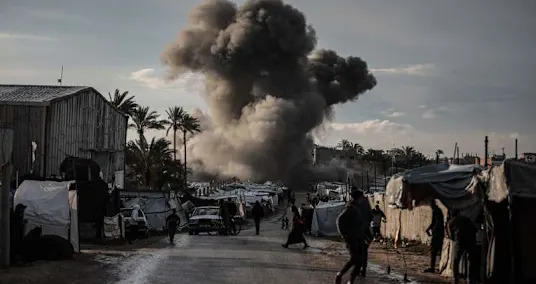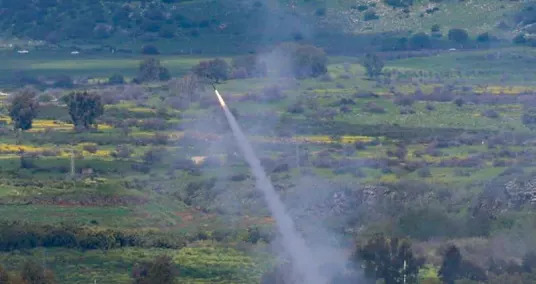
Iran and its Lebanese Hezbollah militia proxy on Thursday fired rockets again at Israel, where people are currently celebrating Passover.
In the morning, warning sirens sounded repeatedly in northern Israel. Two men were slightly injured by a Hezbollah rocket, the Magen David Adom emergency service said.
An Iranian rocket also aimed at the north was fitted with cluster munitions, Israeli media reported. The use of cluster munitions is widely banned internationally because they can scatter explosive devices uncontrollably over large areas and are particularly dangerous for civilians.
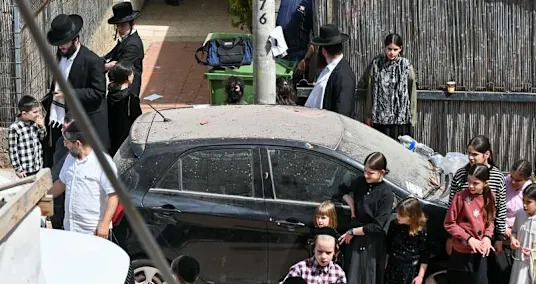
There was also repeated fire at Israel overnight. A rocket alert was triggered in the coastal metropolis of Tel Aviv, among other places. Magen David Adom reported several people with minor injuries from broken glass in a suburb of Tel Aviv, including two babies.
The week-long Passover festival began on Wednesday evening for Jews around the world. It commemorates the exodus of the Israelites from Egypt and their liberation from slavery.
LATEST POSTS
- 1
 Artemis II's moonbound toilet is working again to astronauts' relief after overnight fix
 - 2Australia PM tries to reassure public as panic buying sees fuel demand surge 400% in some regions
- 35 State of the art Advancements in Computer generated Simulation
- 4The Electric Bicycle Americans Can Confide in 2024
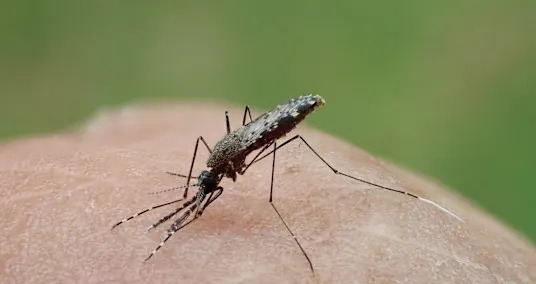
- 5Mosquitoes carrying malaria are evolving more quickly than insecticides can kill them – researchers pinpoint how



- Extravagance SUVs for Seniors: Solace, Innovation, and Security
- 6 Famous Urban communities for Shopping on the planet
- Israel says it killed armed Hamas 'terrorists' in Gaza
- Israel scales back use of top missile interceptors as Iran barrages persist
- Hot peppers sent him to the ER. Two years later, a ‘ghost bill’ arrived.
- Pick Your Favored kind of salad
- Trump awarded 1st FIFA Peace Prize by Gianni Infantino at 2026 World Cup draw
- NASA, in a rare move, cuts space station mission short after an astronaut's medical issue
- Reconnecting with an old friend is a story of distance, loss and rediscovery